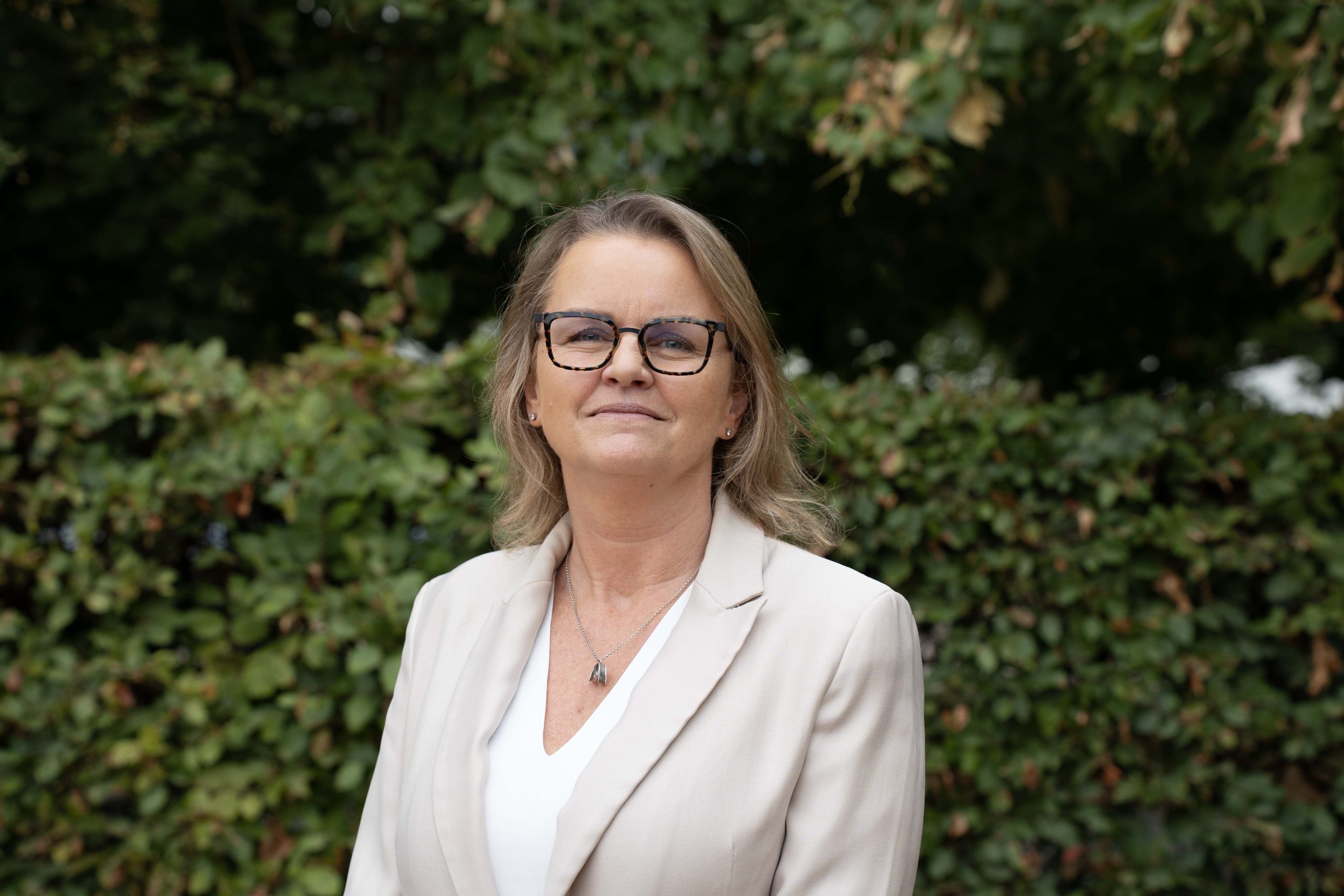
Alison Taylor, CEO:
- Reporting has advanced but monetary value is only half the picture
- Pictures painted by narrative breathe life into statistics and add impact to your reporting
With a lifelong career in public relations and marketing, I have grown to love numbers, as well as words.
Statistics tell us so much – they reveal trends, they provide evidence, they quantify efforts. So, I love a report full of colourful charts that use numbers to illustrate progress, achievements and positive impact against targets.
The annual reporting of corporates and charities has become increasingly sophisticated over the years. Gone are the days of ‘simple’ triple bottom line reporting and most organisations now publish two, if not more, reports on different aspects of their operations and impacts, providing accountability for various stakeholders and investors.
As part of our wider commitment to purpose beyond profit, we chose to become a B Corp in 2023. Certification was much more than a way to formalise our company reporting: it required us to embed that commitment into our articles of association and provide reams of evidence of good practice across the required criteria. Since then, and in response to industry feedback, the B Corp standards have been updated and are even more rigorous and granular than before, requiring evidence against seven impact categories, and we now are preparing for recertification next year.
There are, of course, many reporting frameworks, including the well-recognised ISO standards, which companies use to benchmark their operations and evidence best practice. Digital platforms provide a convenient way for companies to log evidence of social and community impact, which is often required for public procurement. These platforms calculate the perceived monetary value of social and environmental activities, putting a valuation against volunteering hours, for example, and providing useful numbers for impact reporting.
But statistics without a narrative, that connects the numbers to the people and experiences behind them, do a disservice to the value that organisations ‘give back’. They don’t and can’t tell the individual stories of positive impact the organisation has had on people and planet.
Each year our team gives a considerable percentage of time to pro-bono and voluntary work; we are proud of this, but what we are even more proud of is the individual and often very personal stories we hear from people who have been the direct or indirect beneficiaries of this time.
These stories paint a picture of the ups and downs of real lives; the complex challenges, the failures, the successes, and what was learned along the way. These mental pictures are often more memorable and relatable than the numbers behind them, meaning that stakeholders, who will include employees, volunteers, funders, customers, will be more engaged in and motivated by the reporting.
The most powerful reporting combines the quantitative with the qualitative. The numbers provide the credible evidence of delivery, while the narrative provides the emotion and breathes life into the data. One without the other is doing a disservice to and ‘underselling’ the scale and significance of what has been achieved.